The What
Conducted an in-depth, business school–style case study on Playbill’s digital transformation from a 140-year-old print monopoly into a multi-platform theater media brand. The research examined strategic decision-making, market positioning, and revenue model evolution, focusing on how Playbill leveraged its Broadway dominance to enter the digital space while preserving its brand legacy.
The How
Industry & Company Positioning Analysis
- Conducted a systematic review of the Broadway and theater media industry, identifying structural inflection points from print to digital.
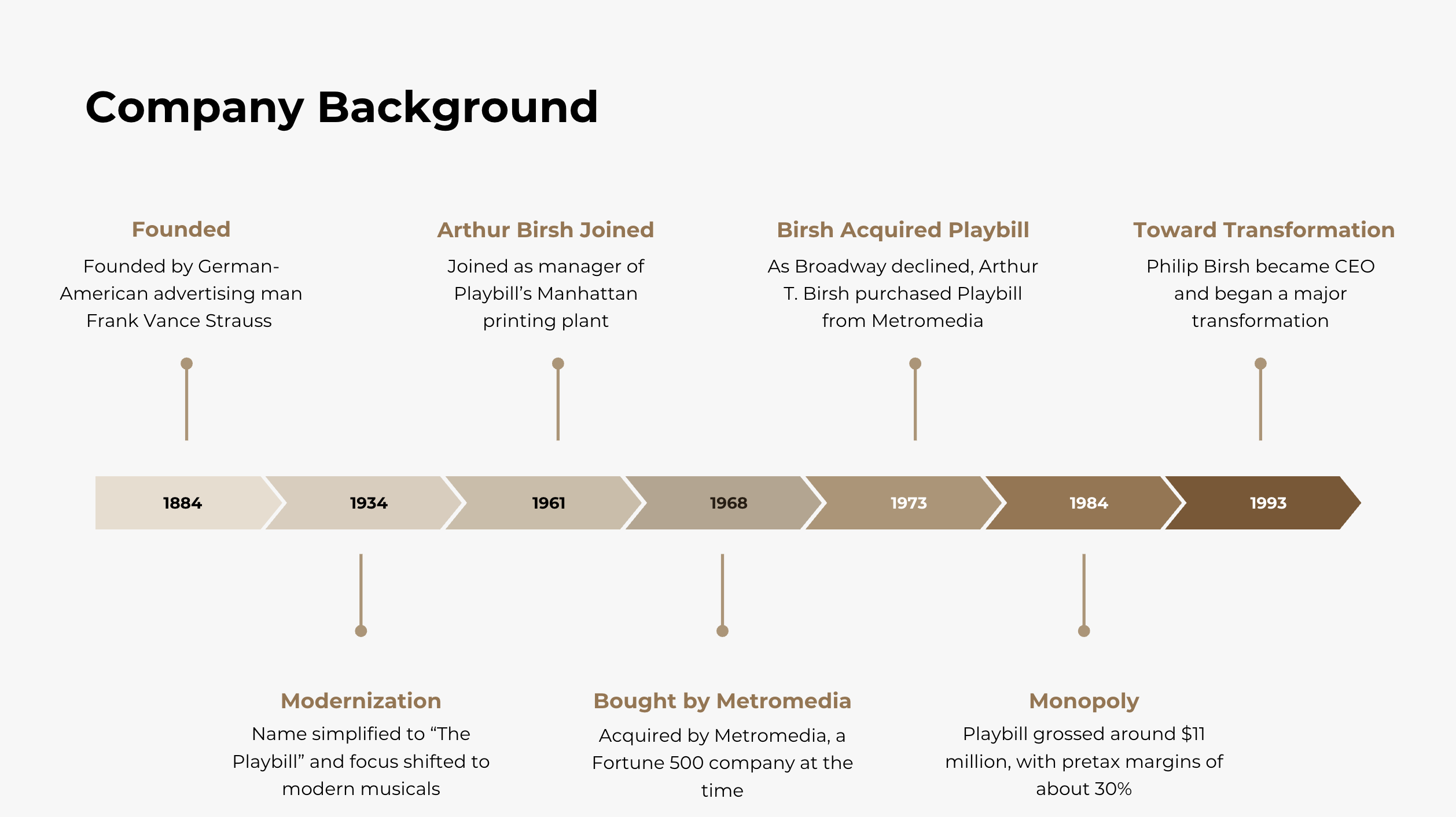
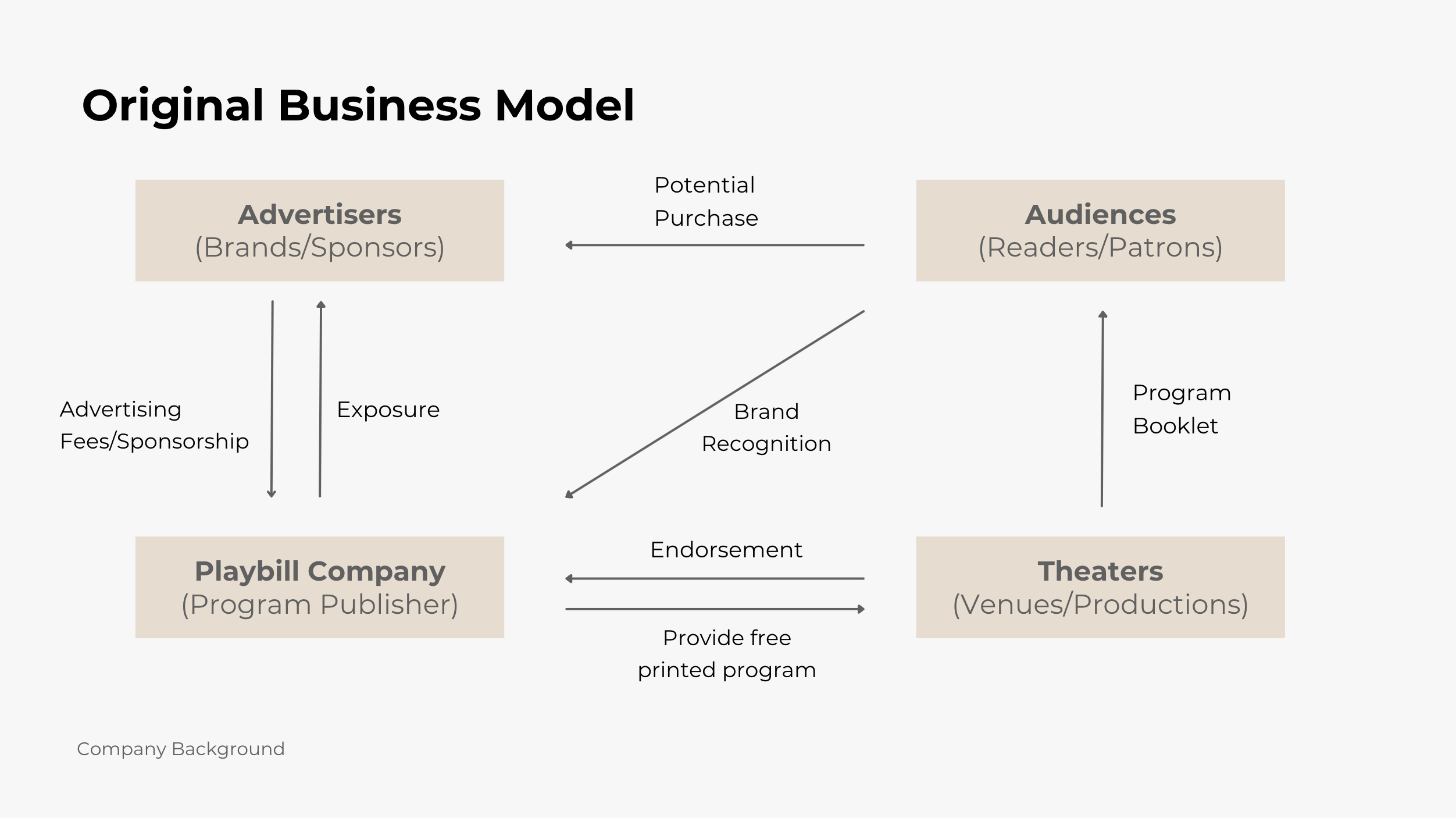
- Analyzed Playbill’s historical assets, like brand recognition, exclusive Broadway distribution rights, and advertiser network, as strategic capital for transformation.
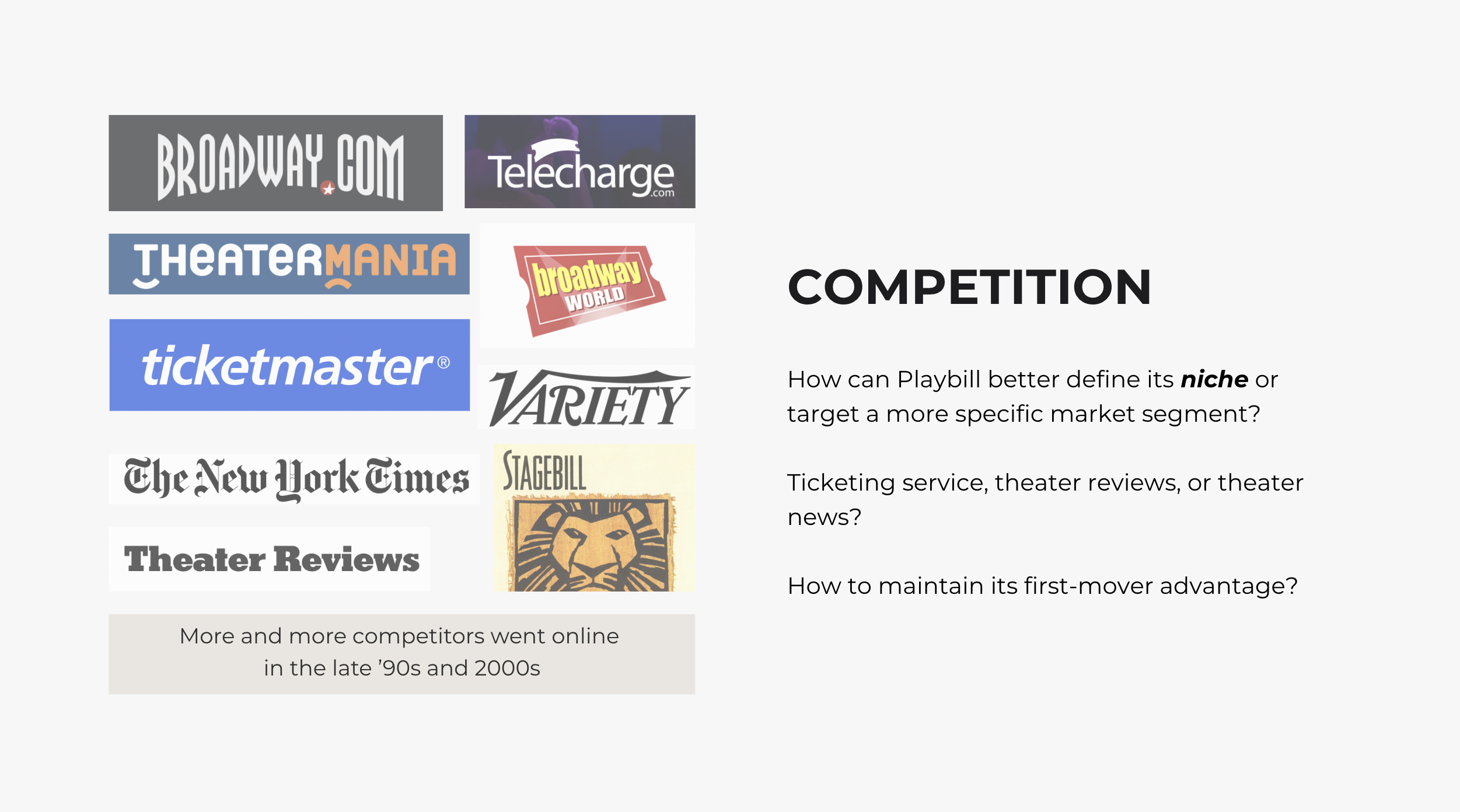
- Built a competitive landscape comparing Stagebill, Broadway.com, and other major players on digital adoption speed, business models, and market penetration.
Dissecting the Digital Transformation Strategy
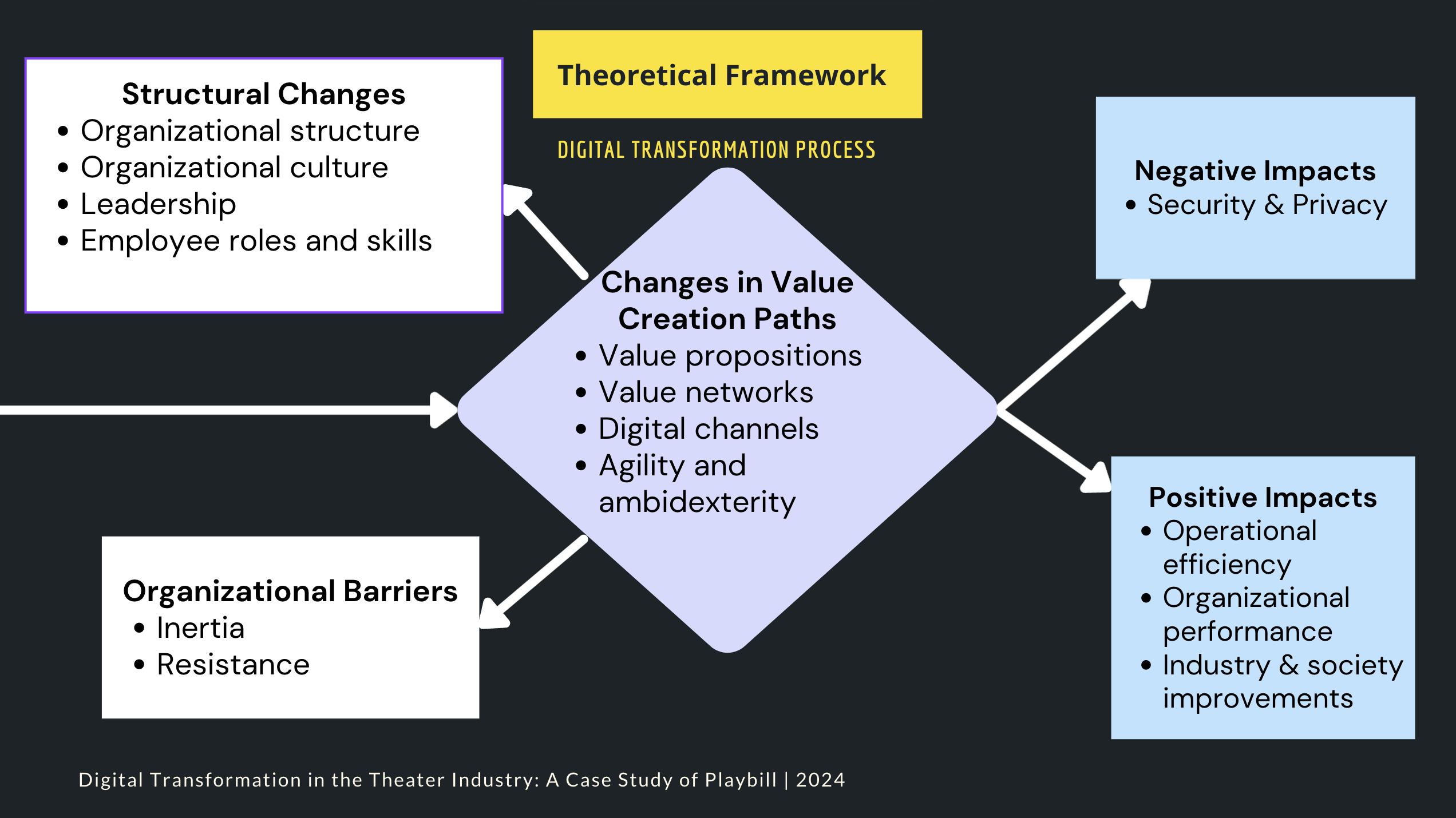
- Traced Playbill’s digitalization milestones since 1994, categorizing them into Digital Launch, Content Expansion, M&A Integration, and Revenue Diversification phases.
- Studied core strategies: real-time digital content, interactive feature development, and the creation of an “offline + online” dual-platform moat.
- Analyzed the impact of external partnerships (e.g., Time Inc., Telecharge) on both traffic growth and brand leverage.
Building Revenue & Brand Value Models
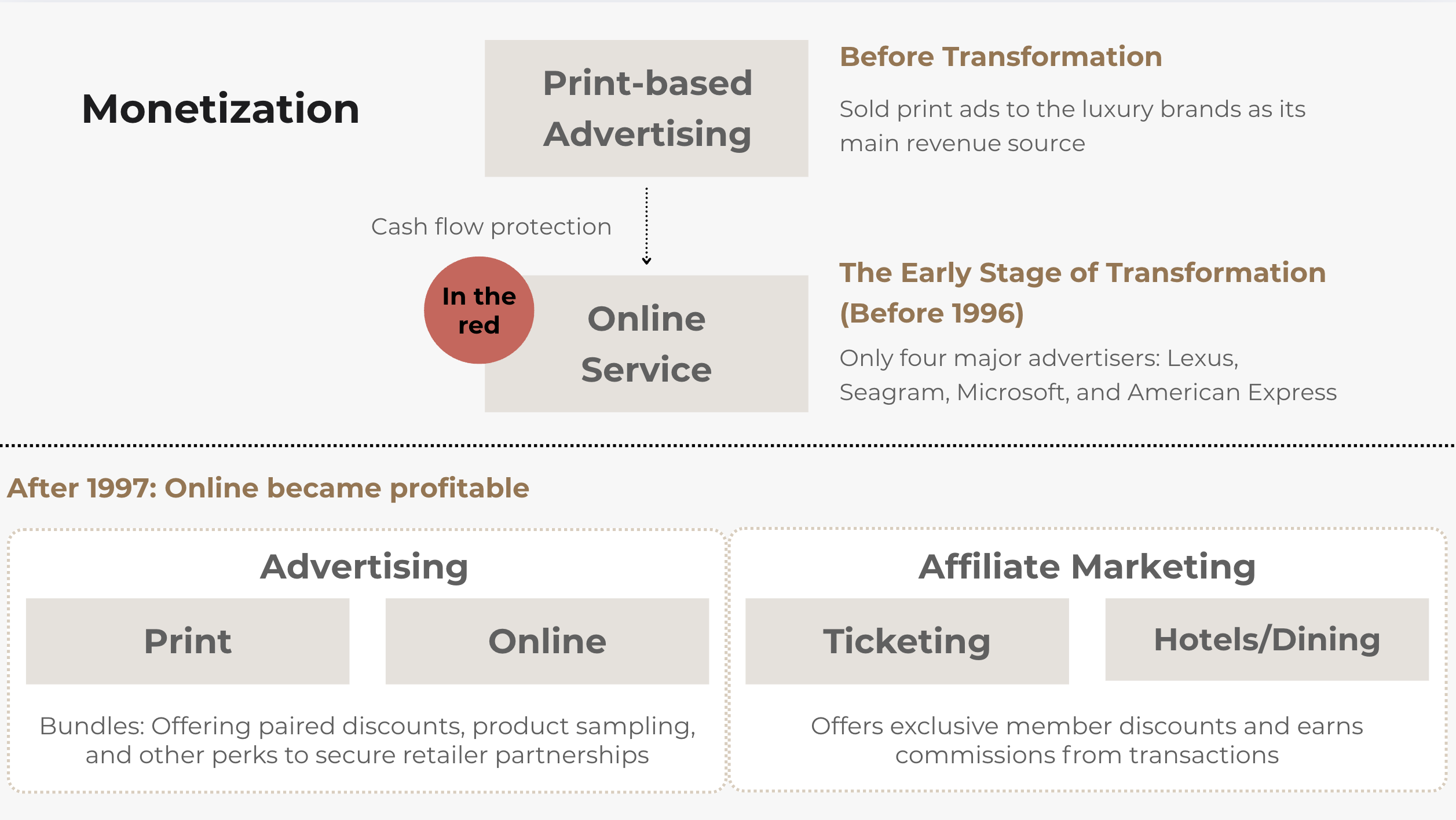
- Deconstructed the revenue structure across digital advertising, memberships, ticketing commissions, and brand extensions (Playbill Travel, Playbill Store).
- Quantified early digital ad value (100,000 impressions/month, starting at $8,000 per page) and evaluated long-term brand effects.
- Assessed how social media strategy (900K+ Instagram followers) expanded audience reach, enhancing ad value and cross-industry partnership opportunities.

The Insight
Amplifying and Protecting First-Mover Advantage
- Launched digital platforms years ahead of competitors, building high user stickiness and establishing dual barriers in technology and brand.
- Leveraged official Broadway partnerships to target high-net-worth audiences, securing long-term advertiser loyalty.
- Created complementary effects between online and print, making it difficult for pure-digital entrants to replicate Playbill’s integrated model.
Multi-Stream Revenue Structure for Risk Mitigation
- Reduced dependency on single ad revenue by integrating ticketing, memberships, branded merchandise, and travel offerings, creating a cross-subsidy mechanism.
- Built Playbill Club to 480,000+ members, a core asset for ticket conversion and cross-industry collaborations.
- Bundled high-margin verticals (e.g., travel packages) with premium ad deals to increase overall customer lifetime value (CLV).
Precision Niche Targeting & Competitive Differentiation
- Focused on the Broadway and theater vertical, benchmarking against Broadway.com and TheaterMania to highlight official status and advertising premium.
- Leveraged the brand’s heritage and the tangible value of print distribution to maintain cultural symbolism and collectible appeal, avoiding commoditized digital competition.
- Continuously evolved offerings (e.g., PLAYBILLder, Playbill Vault) to serve both professionals and enthusiasts, boosting long-term retention.